

Managing a Rental Property During Hurricane Season
If you own rental property anywhere near the Texas Gulf Coast, hurricane season is not something you can afford to acknowledge and then ignore casually.
Every year, there is that stretch of time when the forecast starts getting a little more serious. A storm forms. Then it strengthens. Then everyone starts watching the cone. At first, it feels far away. Then, suddenly, it feels very close.
For rental property owners, that moment can be stressful in a completely different way. You are not only thinking about your own home and your own family. You are also thinking about your tenants, your rental property, your insurance coverage, your roof, your trees, your fences, your windows, your appliances, and every “what if” that could come with high wind, heavy rain, flooding, and power outages.
And if you have more than one rental property, that stress multiplies quickly.
We have seen how quickly things can shift when a major storm is headed toward the Houston area. Even when a property is well maintained, even when the tenant is responsible, and even when everyone does what they are supposed to do, there are still parts of hurricane season that are simply outside of anyone’s control.
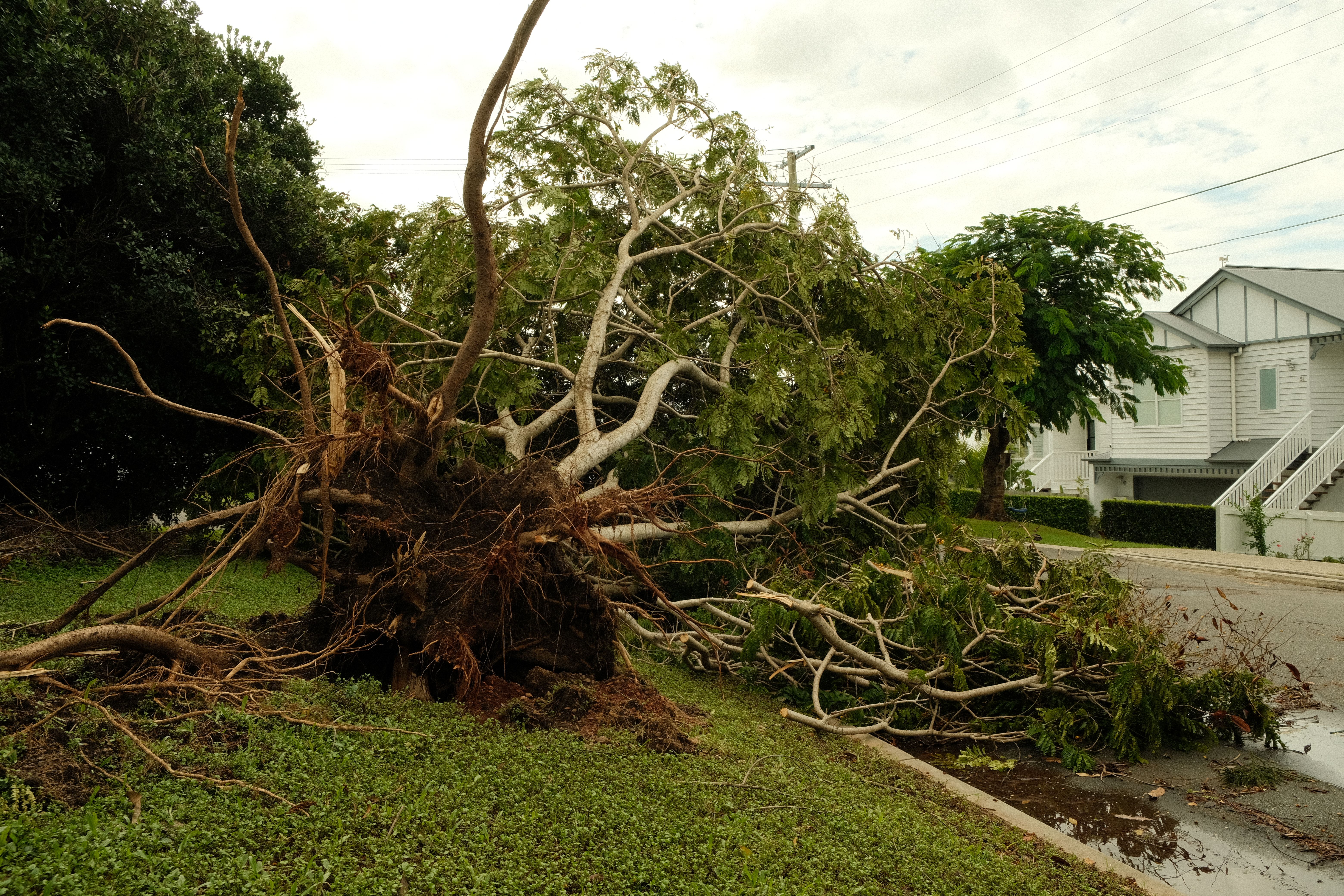
A tree can fall. A fence can go down. Water can come in where it never has before. A window can break from flying debris. Power can be out for days. A roof leak that seemed minor before the storm can become a much bigger issue after hours of wind-driven rain.
That is why the goal is not to pretend you can prevent every possible problem. You cannot.
The goal is to be prepared enough that when something does happen, you are not scrambling from zero.
Managing a rental property during hurricane season requires planning, communication, documentation, and a realistic understanding of your role as the property owner. It also requires you to think through the situation before emotions are high and the storm is already on its way.
Here are a few things rental owners should keep in mind before, during, and after a hurricane.
Stay Ahead of the Forecast
The first step is simple, but it matters: pay attention early.
By the time a hurricane is close enough to impact your rental property, contractors are busy, supplies are limited, stores are crowded, and tenants are already trying to figure out their own plans. Waiting until the last minute makes everything harder.
You do not need to panic every time there is a tropical disturbance, but you do need to stay informed. Watch updates from trusted weather sources and local authorities. Pay attention to whether your property is in an evacuation zone or flood-prone area. Know the difference between a storm that may bring heavy rain and one that may create a serious wind or flooding threat.
If your rental property is located in an area that has flooded before, has large trees nearby, has older roofing, or has drainage concerns, it deserves extra attention before the weather gets bad.
This is also a good time to review your lease and your insurance policy. Know what your responsibilities are, what the tenant is responsible for, and what your insurance may or may not cover. You do not want to be learning those details for the first time after damage has already happened.
Communicate With Your Tenants Before the Storm
Communication is one of the most important parts of managing a rental property during a hurricane.
Tenants need to know that you are aware of the situation and that there is a process in place. They do not need panic. They do not need vague instructions. They need clear, practical communication.
Before a storm, tenants should be reminded to follow local guidance, prepare emergency supplies, secure loose outdoor items, and report any urgent property concerns. If there are patio chairs, grills, potted plants, trash cans, trampolines, or other loose items outside, those should be secured or brought inside if possible. During high winds, those items can become projectiles and cause damage to the property or surrounding homes.
Tenants should also know how to report maintenance issues before and after the storm. If your property has a property manager, they should know whether to submit through the maintenance portal, call an emergency line, or follow a specific storm-response process.
It is also important to set expectations. During a major weather event, repairs may not happen immediately. Vendors may not be able to safely access the property. Supply chains may be delayed. Power outages may impact communication. Emergency issues will need to be prioritized.
That does not mean tenants should be ignored. It means everyone needs to understand the reality of storm response.
Clear communication before the storm can reduce confusion after the storm.
Secure the Property as Much as Possible
There is only so much you can do once a hurricane is on its way, but basic preparation can still make a difference.
If the property has gutters, they should be clear. If there are tree limbs close to the roof, they should be addressed before hurricane season whenever possible, not when the storm is two days away. If the fence is already leaning, the roof is already questionable, or there is an existing leak, those issues should not be pushed off.
Deferred maintenance has a way of showing up at the worst possible time.
Before hurricane season, rental owners should look at the property with storm readiness in mind. Are there loose fence pickets? Are there dead tree limbs? Is the drainage working properly? Are the windows and doors sealing correctly? Are there old repairs that need to be revisited? Is the roof nearing the end of its life?
You may not be able to prevent storm damage, but you can reduce avoidable damage.
This is also where documentation matters. Having updated photos of the property’s exterior before a storm can be helpful if there is damage afterward. If you have not seen the property in a while, a seasonal inspection or exterior check-in can be valuable.
The more you know before the storm, the better prepared you are after it.
Have a Plan for Emergency Repairs
After a hurricane, everyone needs help at the same time.
Roofers, tree removal companies, restoration companies, plumbers, electricians, and general contractors can become overwhelmed very quickly. This is one of the reasons it is so important to have vendor relationships before you need them.
If a tree falls on the roof, water is actively entering the home, or there is a safety issue, you do not want to be searching online for a random contractor while dozens or hundreds of other owners are doing the same thing.
You need a plan for how emergency maintenance will be handled.
That plan should include who tenants contact, who assesses the issue, how emergencies are prioritized, how temporary repairs are approved, and how insurance claims are started if needed.
Not every post-storm repair is an emergency. A missing fence picket is not the same as active water intrusion. A downed tree in the yard is not the same as a tree through the roof. Part of managing storm response well is knowing how to triage.
The most urgent issues are safety, habitability, and preventing further damage.
Once those are addressed, less urgent items can be scheduled as vendors become available.
Document Everything After the Storm
Once it is safe to do so, the property needs to be assessed and documented.
Photos and videos are extremely important. Document exterior damage, interior damage, roof concerns, fallen trees, broken windows, water intrusion, damaged fencing, and anything else that may be related to the storm. If the tenant sends photos, save them. If a vendor provides a report, save it. If there are invoices for emergency repairs, save those too.
This documentation can help with insurance claims, owner records, vendor coordination, and future decision-making.
It is also important to separate storm-related damage from pre-existing issues. This is another reason pre-storm documentation is valuable. If there were already roof concerns, drainage issues, or damaged fencing before the storm, that may impact what insurance covers and how the repairs are handled.
Good documentation protects everyone. It protects the owner, the tenant, the property manager, and the investment itself.
Understand That Insurance Is Not a Maintenance Plan
Insurance is important, but it is not a substitute for property maintenance.
A lot of owners assume that if a storm damages something, insurance will simply cover it. Sometimes it does. Sometimes it does not. Sometimes the deductible is higher than expected. Sometimes the damage does not exceed the deductible. Sometimes the claim process takes longer than anyone wants. Sometimes the insurance company identifies deferred maintenance or wear and tear that is not covered.
This is why rental owners need to understand their policy before hurricane season.
Know your deductible. Know whether you have windstorm coverage. Know whether flood insurance is separate. Know what your policy requires after a loss. Know how quickly you need to report damage. Know whether loss of rent is covered if the property becomes uninhabitable.
In Texas, flood damage and wind damage may be handled very differently depending on the property, the policy, and the specific circumstances. Do not assume you are covered for everything just because you have insurance.
It is much better to ask questions before storm season than to be surprised afterward.
Keep Tenants Updated During the Repair Process
After a hurricane, tenants may be frustrated, scared, uncomfortable, or inconvenienced. Even when delays are outside your control, communication still matters.
If repairs are needed, tenants should know what has been reported, what steps are being taken, and what timeline is realistic. If vendors are delayed because of widespread storm damage, say that. If insurance is involved, explain that the claim process may take time. If temporary repairs are being made first, explain what they are and why they matter.
Silence makes tenants feel ignored. Overpromising creates frustration later.
The best approach is honest, steady communication.
You may not be able to give tenants the answer they want immediately, but you can make sure they understand that the issue is being handled.
Review What Worked and What Did Not
Once the storm has passed, the repairs are complete, and things have settled down, take time to review the process.
What went well? What was confusing? Did tenants know what to do? Were emergency contacts clear? Did you have the right vendors in place? Was your insurance information easy to access? Were there property issues that could have been prevented with better maintenance?
Every storm teaches something.
Maybe you realize the property needs better drainage. Maybe you need to remove a tree before next season. Maybe your lease communication needs to be clearer. Maybe your insurance deductible is higher than you realized. Maybe you need to start keeping a larger maintenance reserve.
Hurricane preparedness is not a one-time task. It is something rental owners should revisit every year.
Final Thoughts
Managing a rental property during a hurricane is not just about boarding up windows or checking the weather. It is about having a plan before there is pressure.
You need to know your property. You need to communicate with your tenants. You need to have trusted vendors. You need to understand your insurance. You need to document well. And you need to respond quickly when safety or habitability is at risk.
The reality is that storms are part of owning property in the Houston area. We cannot control the weather, but we can control how prepared we are.
A well-managed rental property is not one that never has problems. That does not exist. A well-managed rental property is one where problems are anticipated, handled, documented, and communicated clearly.
Hurricane season will always bring some level of uncertainty. But the more prepared you are before the storm, the less chaotic everything feels after it.