
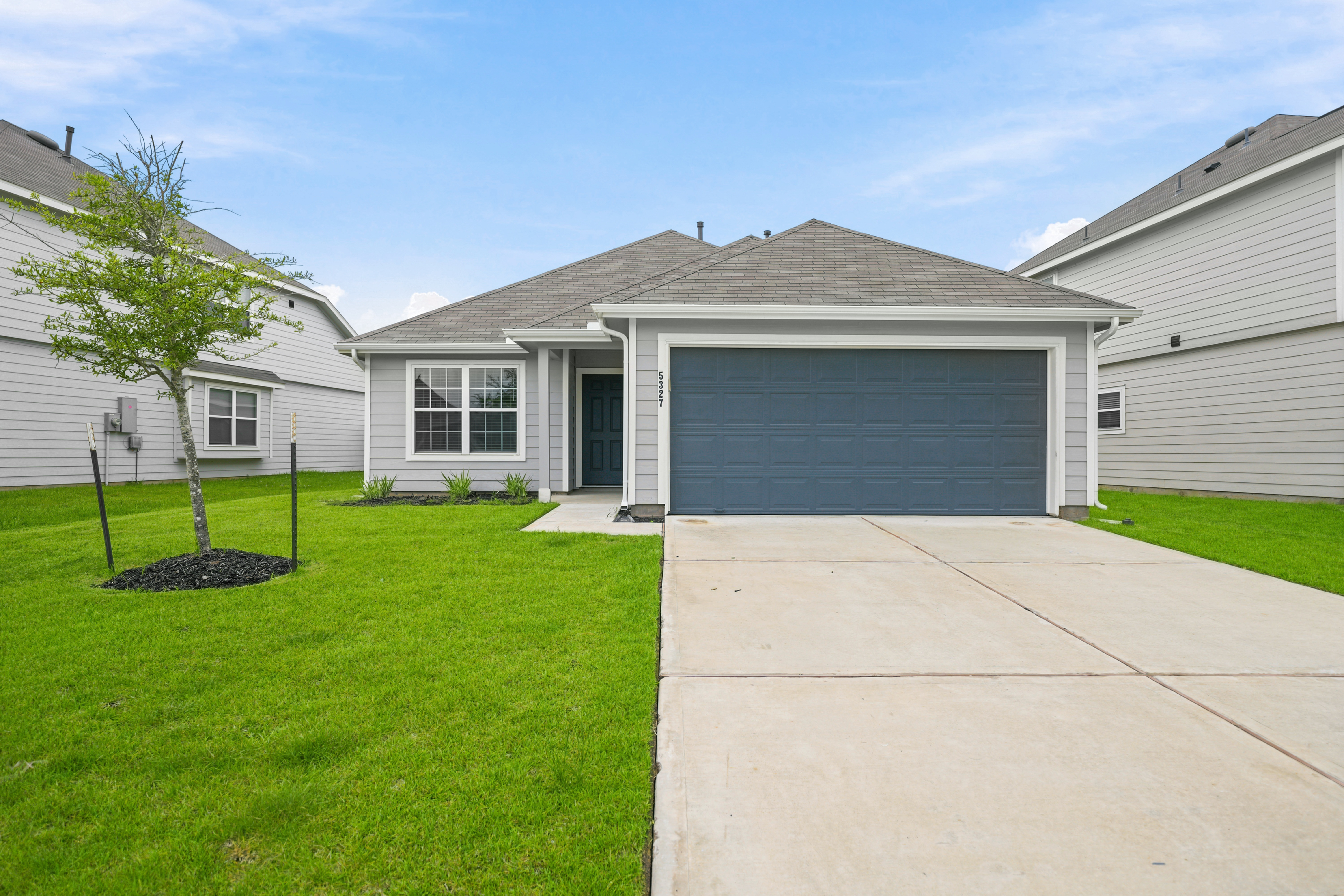
Turning your current home into a rental can be a great way to hold onto an appreciating asset, build long-term wealth, or create additional income while moving into your next home. But successfully renting a property requires more than cleaning it, taking a few photos, and putting a sign in the yard.
A home that worked well for you may not be ready to work as a rental property. Before handing over the keys, you need to look at it through a different lens: What could become a maintenance issue? What will tenants expect? What improvements will actually increase the rental value, and which ones will eat into your return?
Here are the most important things to consider before turning your home into a rental.
1. Start With the Numbers
Before making repairs or choosing paint colors, make sure renting the property makes financial sense.
Research comparable rental homes in your area to get a realistic idea of what the property may rent for. Then compare that expected income against all the expenses that come with owning a rental, including:
Mortgage payments
Property taxes
Insurance
HOA dues
Maintenance and repairs
Vacancy
Leasing expenses
Property management fees
Larger future expenses, such as an HVAC or roof replacement
One of the most common mistakes we see is an owner looking only at the difference between the mortgage payment and the expected rent. Unfortunately, that difference is not your profit.
Even a well-maintained property will have expenses. Appliances break. Plumbing leaks. Tenants move out. Properties sometimes sit vacant between leases. You need enough room in the numbers to prepare for those realities without every repair feeling like a financial emergency.
2. Decide What Type of Rental You Want to Own
Are you planning to operate the property as a traditional long-term rental, a short-term rental, or something in between? The answer affects everything from insurance and local restrictions to furnishing, maintenance, and how involved you will need to be.
You should also consider your long-term plan for the property. Are you hoping to keep it for many years? Do you plan to sell it within the next year or two? Is there a chance you will want to move back into it?
There is no universally correct strategy, but you do need a strategy. The decisions you make when preparing the property should support what you ultimately want the property to do for you.
3. Address Repairs Before They Become Emergencies
This is the time to be honest about the condition of the home.
That faucet you have been tightening every few weeks? The air conditioner that still works but has been struggling through every Houston summer? The small roof stain that “hasn’t gotten any worse”? These issues are much easier to address while the property is vacant than after a tenant has moved in.
Pay particular attention to the home’s major systems:
HVAC
Plumbing
Electrical
Roof
Water heater
Appliances
Doors and windows
Drainage and moisture issues
The goal is not to create a maintenance-free property. That property does not exist. The goal is to take care of known problems and reduce the likelihood that your new tenant will need to submit multiple maintenance requests in the first few weeks of the lease.
That is frustrating for the tenant, expensive for the owner, and not a great way to begin the relationship.
4. Complete a True Rental Make-Ready
A rental make-ready is more than your normal move-out cleaning.
The property should be thoroughly cleaned and checked from top to bottom. That includes the easy-to-miss areas: inside cabinets and drawers, ceiling fans, baseboards, blinds, windowsills, appliances, closets, and the garage.
You should also look for smaller items that make a home feel poorly maintained, such as:
Burned-out lightbulbs
Missing switch plates
Loose cabinet hardware
Broken blinds
Stained caulking
Dripping faucets
Damaged screens
Scuffed or heavily marked walls
Doors that do not latch properly
Overgrown landscaping
None of these items may seem significant on their own. Together, however, they affect how prospective tenants view the property and how they are likely to care for it once they move in.
A clean, complete property sets the standard from day one.
5. Remove Personal Property and Personal Attachment
Unless the home is intentionally being offered as a furnished rental, remove your personal belongings before marketing it.
Do not leave behind extra furniture, paint cans, cleaning supplies, garage clutter, or items you think the tenant “might be able to use.” Anything left at the property can create confusion about who owns it, who is responsible for it, and whether it needs to be maintained or removed later.
It is also important to begin separating yourself emotionally from the home.
This may have been the house where you raised your children, completed your favorite renovation, or spent years creating a space that felt like yours. A tenant may not use it or love it the same way you did.
They may put furniture in a different room. They may not maintain the flower beds exactly as you would. They may submit repair requests for things you lived with. Converting your home into a rental means treating it as an investment and a business, even when it still feels personal.
6. Choose Improvements Based on Return, Not Preference
You do not need to renovate the entire house before renting it. In many cases, doing so would be a poor use of your money.
Focus on improvements that make the property clean, functional, durable, and competitive with other rentals in the area. Fresh neutral paint, updated lighting, durable flooring, and clean landscaping can make a noticeable difference without turning the project into a full remodel.
Be cautious about high-end finishes and design choices that will not increase the monthly rent enough to justify their cost. Your rental does not need to be the nicest home on the block. It needs to show well, function properly, and hold up to normal use.
Before replacing countertops, installing luxury flooring, or buying top-of-the-line appliances, ask one question: Will this improvement increase the rent, reduce future maintenance, or help the property lease more quickly?
If the answer is no, you may be spending money you will not recover.
7. Review Insurance, HOA Rules, and Other Requirements
A standard homeowner’s insurance policy may not provide the right coverage once the property becomes a rental. Speak with your insurance provider before a tenant moves in so you understand what coverage you need.
If the home is located within an HOA, review its leasing rules, approval requirements, minimum lease terms, and any fees or documentation that may be required.
You will also need to make sure the property meets applicable health and safety requirements. A professional inspection or property assessment can help identify concerns that may not be obvious during a casual walkthrough.
Do not assume that because you were comfortable living in the home, it is automatically ready to be leased.
8. Create a Plan for Tenant Screening and Management
Finding someone willing to rent the property is not the same as finding a qualified tenant.
Before advertising the home, establish consistent rental criteria. Decide how you will evaluate income, credit, rental history, background information, pets, and other application factors. Your criteria should be applied consistently to every applicant and comply with applicable housing laws.
You also need a plan for what happens after the tenant moves in.
Who will collect rent? How will maintenance requests be submitted? Who will answer emergency calls? How will you document the property’s condition? What happens if the rent is late? Who will coordinate repairs, renewals, inspections, and move-out?
These decisions are much easier to make before a tenant is waiting for an answer.
9. Decide Whether You Want to Manage It Yourself
Self-managing can work well for owners who have the time, systems, knowledge, and temperament to do it. It is not passive income, though.
Property management involves leasing, screening, documentation, accounting, maintenance coordination, walkthroughs, communication, and difficult conversations. It also requires an understanding of the laws and lease requirements that apply to the property.
A professional property manager can help determine an appropriate rental rate, prepare and market the property, screen applicants, collect rent, coordinate maintenance, and manage the tenant relationship. More importantly, a good property manager can help you avoid expensive mistakes that are difficult to undo once a tenant is already living in the home.
Whether you hire a property manager or manage the home yourself, go into the decision with a clear understanding of the work involved.
Prepare the Property and Yourself
Turning your home into a rental property can be a smart long-term move, but it should be treated like a business decision from the beginning.
Run the numbers honestly. Take care of known repairs. Prepare the property properly. Avoid upgrades that will not produce a return. Put clear systems in place before the tenant receives the keys.
The goal is not simply to get the property rented. The goal is to create a rental that performs well, attracts qualified tenants, and remains a solid investment for years to come.
If you are considering turning your home into a rental and are unsure where to begin, Realvest Property Management can evaluate the property, provide rental-rate guidance, and help you build a plan before it hits the market.