

A good-looking yard doesn’t happen in a single weekend. It’s a year-round thing, because every season has its own to-do list, its own problems, and a few advantages you can take if you stay on top of them. Pay attention as the months change, and your lawn, garden, and landscaping can look good from spring through winter.
Spring: Reset and Get Things Growing
After winter, the yard starts to come back to life. Once the weather warms and plants begin pushing new growth, you’ve got a window to tidy up and set everything up for the busy season.
Start with the winter mess
Pick up leaves, sticks, and whatever else has collected over the cold months. Getting that layer off the ground lets light, water, and air reach the grass and can cut down on mold and mildew.
Aerate the lawn
Compacted soil makes it hard for roots to breathe and drink. Aerating opens things up so water, nutrients, and oxygen reach deeper, which helps the lawn grow thicker.
Feed with a slow-release fertilizer
A steady fertilizer works well in spring because it supplies nutrients gradually while plants move into active growth.
Add new plants
Annuals and perennials do well when planted in spring. Stick with varieties that match your climate and your soil, and you’ll get better results with less hassle.
Summer: Maintain and Protect
Summer is peak growth, but it’s also when heat, dry spells, and insects can push your yard around if you’re not watching.
Water deeply, not constantly
A good soak less often encourages roots to grow deep instead of staying near the surface, and that makes plants tougher when temperatures climb.
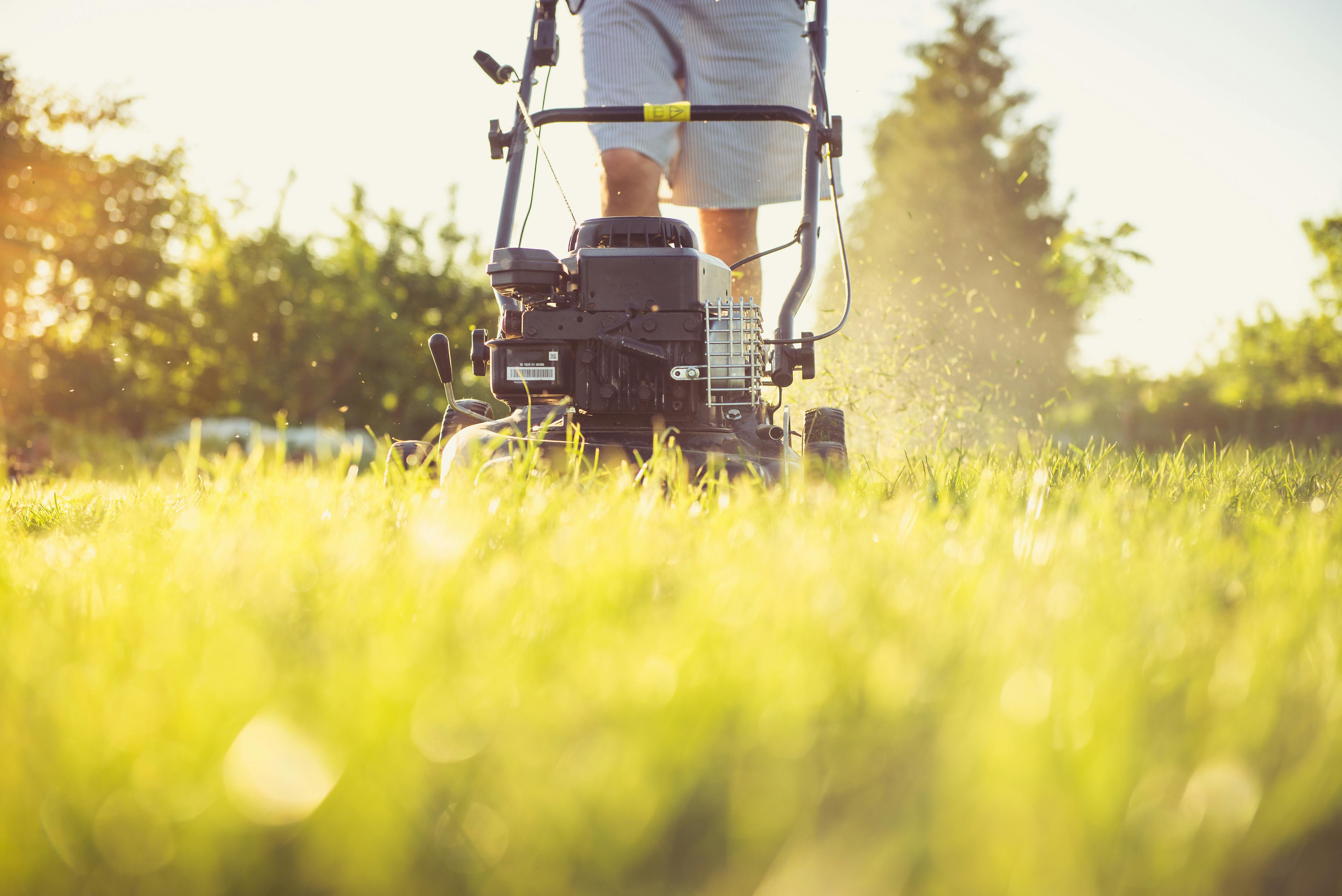
Mow on a regular schedule
Frequent mowing keeps grass in a healthier rhythm and makes it harder for weeds to take over. During heat waves, don’t scalp the lawn; leaving it too short can weaken it.
Stay alert for pests
Watch for grubs, aphids, spider mites, and other common troublemakers. Catching issues early makes treatment simpler, whether you go with natural options or targeted products.
Prune when it makes sense
A little pruning helps trees and shrubs keep their shape, and it removes broken or unhealthy branches before they become bigger problems.
Fall: Strengthen before Winter
Fall is the handoff season. Growth slows, but the work you do here can decide how well your yard comes back next year.
Rake leaves often
A thick blanket of leaves blocks sunlight and holds moisture in the wrong places. That can thin out the grass and invite disease.
Plant spring bulbs
Tulips, daffodils, and similar bulbs do best when planted in the fall; they’ll sit through winter and pop up when spring returns.
Fertilize the lawn
Feeding in fall helps build stronger roots, and that extra strength carries the lawn into dormancy and improves its spring start.
Aerate if you missed spring
If you didn’t get to aeration earlier, fall is another solid time to loosen compacted soil.
Winter: Protect and Plan
Even when everything looks asleep, winter still offers a few tasks that make the next season easier.
Cover sensitive plants
Frost blankets or burlap can protect tender plants during hard freezes.
Clear downed branches and debris
Storms can snap limbs and toss debris around. Keeping the yard clear helps prevent damage and reduces safety hazards.
Plan spring updates
Use the slower months to map out landscaping changes, order seeds, or sketch out new garden beds.
Take care of the tools
Clean, sharpen, and store your garden tools properly so they’re ready when the weather turns.
When you spread yard care across the year, the whole landscape stays healthier, and no single season feels like a marathon. A little seasonal upkeep keeps your lawn and garden looking good all year.