

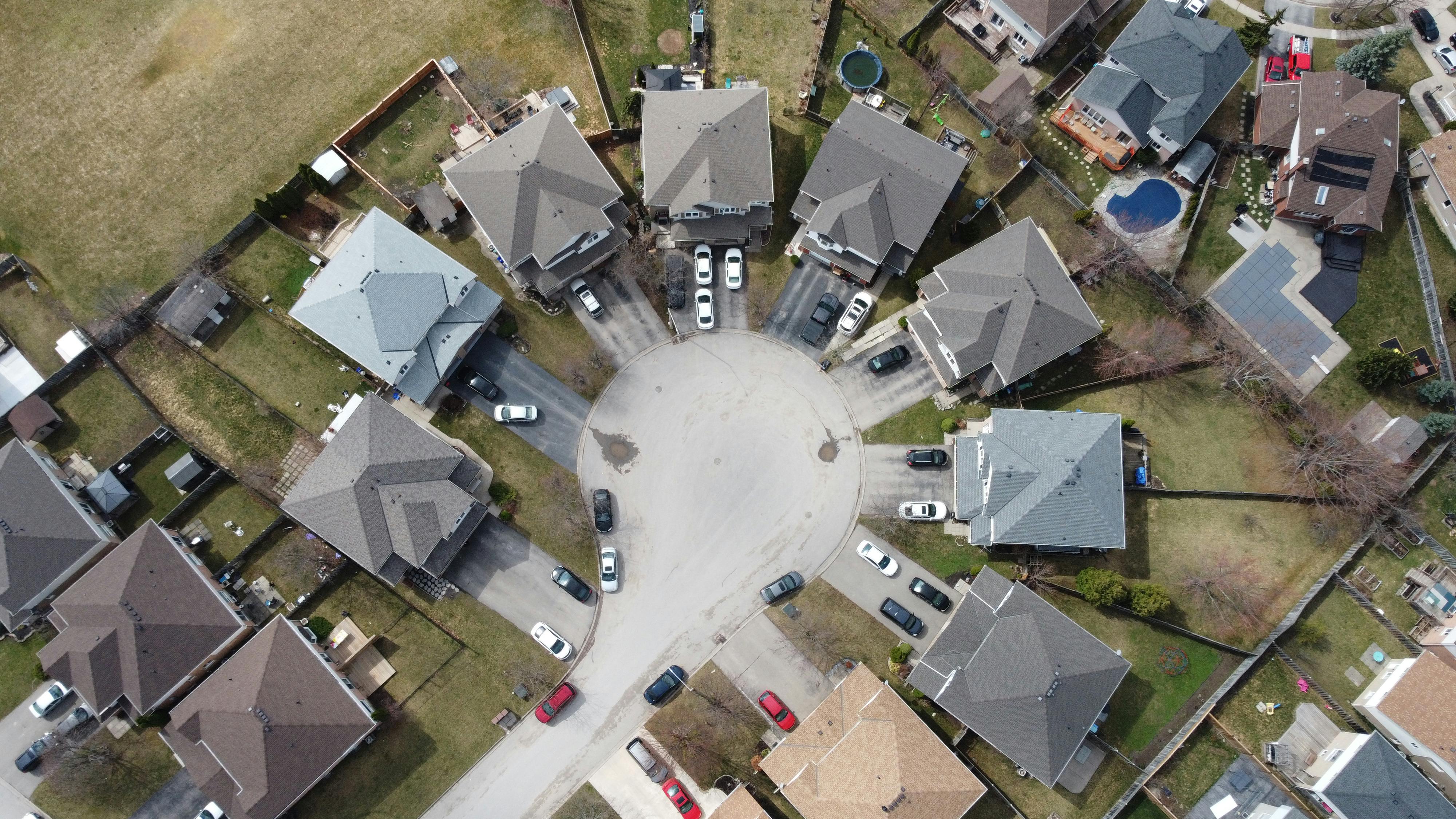
How to Deal With Neighbors Without Losing Your Mind
Living next to other people can be… an experience.
Sometimes it is wonderful. You get the neighbor who waves every morning, brings your trash can up from the curb, keeps an eye on things when you are out of town, and somehow always has the exact tool you need sitting in their garage.
And then sometimes you get the neighbor with the 2:00 a.m. backyard karaoke habit, the dog who believes every leaf is a threat, or the mysterious ability to park in a way that inconveniences the entire street.
Neighbors can be a gift. They can also be a test of patience, boundaries, and your ability to not type an angry paragraph in the neighborhood Facebook group.
And if you own a rental property, neighbors can become an even more interesting part of the equation.
Sometimes they are your best source of information. Sometimes they are your first warning that something is wrong. And sometimes they find your phone number online and decide you are now their personal complaint department.
So how do you deal with neighbors in a way that keeps your peace, protects your property, and hopefully avoids unnecessary drama? A little patience, a little humor, and a whole lot of clear communication can go a long way.
Start With Friendly, Clear Communication
Most neighbor issues are easier to handle when they are addressed early and calmly. That does not mean marching over in full confrontation mode the first time something bothers you. It means giving people the opportunity to do better before assuming the worst.
If your neighbor’s music is too loud, their dog is barking nonstop, or their guests keep blocking your driveway, start with a simple conversation.
Something like:
“Hey, I just wanted to let you know your music carries pretty loudly into our house at night. Would you mind keeping it down after 10?”
That kind of approach is clear, but not aggressive. Most people do not want to be bad neighbors. Sometimes they genuinely do not realize how their actions are affecting everyone else.
Of course, not everyone responds perfectly. But beginning with kindness gives you the best chance of solving the problem without turning it into a neighborhood Cold War.
Set Boundaries Before You Get Resentful
Boundaries are not rude. Boundaries are what keep small annoyances from turning into full-blown resentment.
Maybe your neighbor loves to stop and chat every time you walk outside, but you are usually juggling groceries, kids, pets, phone calls, or just the need to sit in silence for five minutes. It is okay to be friendly while still keeping your time protected.
You can say, “I’d love to catch up another time, but I’m in the middle of something right now.”
The same goes for favors. Borrowing a ladder once? Fine. Borrowing your tools every weekend and returning them three months later covered in mystery dust? Less fine.
You can be generous without becoming the neighborhood rental department.
Rental Property Owners Need Neighbor Boundaries Too
If you own a rental home, neighbor relationships can get a little tricky.
A neighbor may look up your information, find out you own the property next door, and start reaching out directly every time they have a concern. Sometimes those concerns are valid. Maybe the tenant is leaving trash out, parking in the wrong place, letting the yard get out of hand, or creating consistent noise issues.
Other times, the neighbor may just be very invested in everything happening on the street. Very invested.
Suddenly, you are getting texts about how long the grass is, how many cars are in the driveway, who came over on Saturday, whether the porch light is too bright, and why the tenant’s dog looked at them funny.
That is when boundaries matter.
You can appreciate a neighbor’s concern without allowing them to become the unofficial manager of your rental property. A simple, professional response can help set the tone:
“Thank you for letting me know. I appreciate you keeping an eye out. I’ll look into it and address anything that violates the lease or property expectations.”
This acknowledges the concern without promising action on every personal preference or neighborhood annoyance.
Good Neighbors Can Be a Great Asset
On the flip side, having a good relationship with the neighbors near your rental property can be incredibly valuable.
They are the ones who may notice if something seems off. A leak, a break-in, an abandoned vehicle, a fallen tree limb, a tenant moving out unexpectedly, or suspicious activity around the home may be noticed by a neighbor before the owner or property manager ever knows.
This does not mean you should ask neighbors to spy on your tenants. That is not the goal. Tenants have a right to peacefully enjoy the home, and no one needs Mrs. Linda from two doors down reporting every Amazon package delivery like it is breaking news.
But friendly neighbors can be a helpful set of eyes when it comes to major issues. A polite introduction, a business card, or a simple “please let us know if you ever notice anything urgent concerning the property” can go a long way.
The key is balance. You want neighbors to feel heard and respected, but you do not want to invite constant commentary on every detail of your tenant’s life.
Use Humor When You Can
Not every neighbor issue needs to be handled like a legal proceeding. Sometimes humor can soften an awkward conversation and keep things from feeling too tense.
For example, if your neighbor keeps forgetting to return your tools, you might say:
“I’m starting to think my drill likes your garage better than mine. Can you send it home this weekend?”
That gets the point across without making it feel hostile. Humor works best when it is light, friendly, and not passive-aggressive. The goal is to create connection, not secretly start a feud with a smile on your face.
For rental property owners, humor may be more of an internal survival skill. You may not want to joke with the neighbor who has emailed you 14 times about trash cans, but you can at least laugh later about the fact that you now know more about your tenant’s curb habits than you ever wanted to.
Know When to Document the Issue
While many neighbor problems can be solved with a conversation, some situations need to be documented.
If there are repeated noise issues, property damage, aggressive behavior, parking violations, or anything that may involve an HOA, landlord, property manager, or local authority, keep a simple record. Write down dates, times, what happened, and any communication you had.
This is especially important when a rental property is involved. If a neighbor reports an issue, ask for specifics. What happened? When did it happen? How often has it happened? Are there photos, videos, or written notices from the HOA?
Vague complaints are difficult to act on. Specific information allows the owner or property manager to determine whether the issue is a lease violation, an HOA concern, a city ordinance issue, or simply a neighbor conflict that needs to stay between neighbors.
Documentation does not mean you are being dramatic. It means you are being prepared.
Respect That Everyone Lives Differently
This one can be hard, especially when someone else’s version of normal feels wildly different from yours.
Some people are night owls. Some have kids. Some have dogs. Some work odd hours. Some host family often. Some are just louder than they realize. Living near other people requires a little flexibility from everyone involved.
That does not mean you have to tolerate unreasonable behavior. It just means it helps to remember that your neighbors are real people with their own routines, stress, and blind spots.
This applies to rental properties, too. A tenant living in a rental home is still living in their home. They are allowed to have guests, receive packages, use the driveway, enjoy the yard, and live their everyday life. Not every neighbor complaint means the tenant is doing something wrong.
A little grace can keep you from assuming every inconvenience is personal.
Know When to Escalate
If you have tried being kind, clear, and reasonable — and the issue continues — it may be time to escalate appropriately.
Depending on the situation, that may mean contacting your HOA, landlord, property manager, or local non-emergency services. The key is to stay calm, stick to the facts, and avoid making it emotional if you can.
Instead of saying, “My neighbor is the worst human alive,” try:
“We have had ongoing noise issues after quiet hours on these dates, and I have already attempted to address it directly.”
For rental property owners, this is also where a professional property manager can be a huge help. A property manager can act as the buffer between the owner, tenant, HOA, and neighbors. They can sort through what actually needs to be addressed, communicate with the tenant when appropriate, and keep the owner from being pulled into every neighborhood frustration.
Because sometimes, the best way to keep your peace is to not be the person everyone calls first.
Final Thoughts
Dealing with neighbors can be a wild ride. Sometimes they become friends. Sometimes they become people you politely wave at while silently praying their garage band era ends soon.
If you own rental property, neighbors can be both incredibly helpful and occasionally overwhelming. The right neighbor may alert you to a real issue before it becomes a bigger problem. The wrong neighbor may decide your inbox is the perfect place for their daily neighborhood newsletter.
Either way, the best approach is usually a mix of kindness, boundaries, humor, documentation, and knowing when to ask for help.
You do not have to be best friends with your neighbors. You do not have to tolerate constant disruption either. And as a rental property owner, you do not have to personally field every complaint, concern, or commentary from the person next door.
With a little communication and a lot of patience, you can usually find a way to live — or invest — near other people without losing your mind.
And if all else fails, yes, there is always the dream of a secluded cabin in the woods.
Just make sure it has Wi-Fi.